What Are Synthetic Hair Fibers?
Definition and Composition
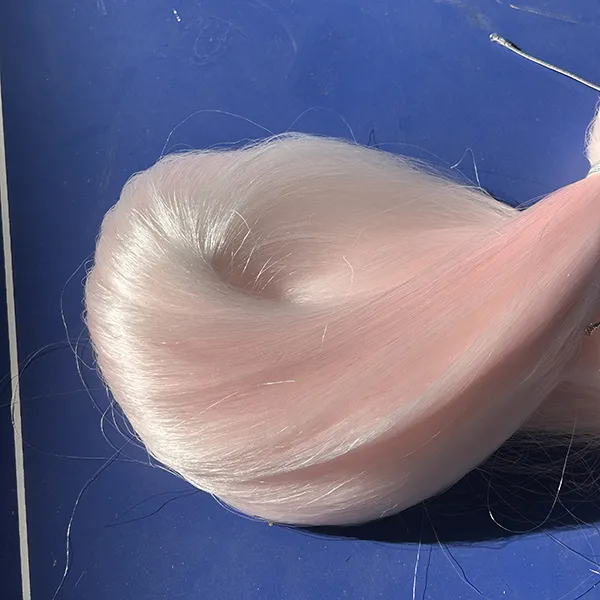
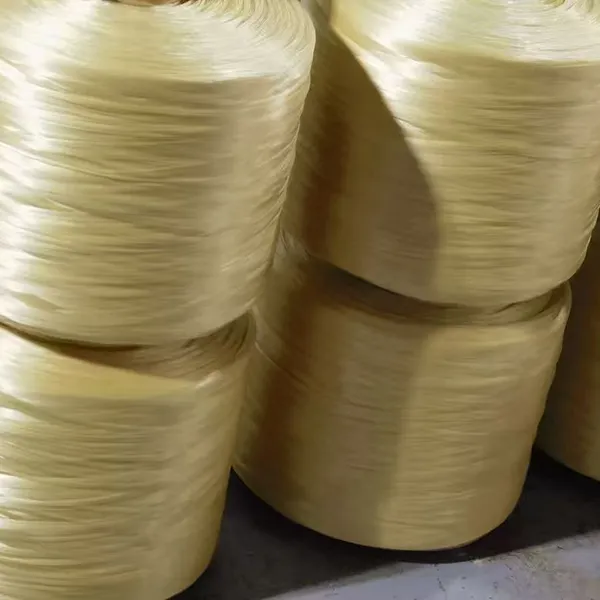
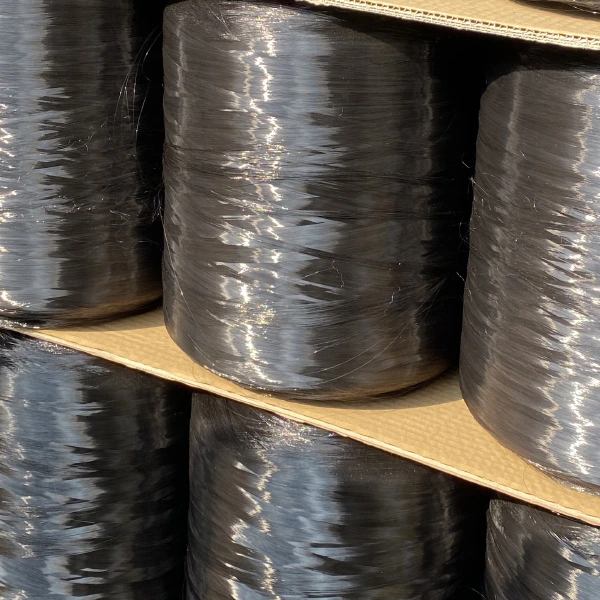
Synthetic hair fibers are man-made strands created from polymers. Manufacturers use materials such as modacrylic, PVC, acrylic, and nylon. These polymers undergo a melting and extrusion process to form thin strands. The melted material pushes through tiny holes and cools into individual fibers. This process allows makers to control thickness, texture, and color with precision. Each batch of synthetic hair matches specific quality standards. The result looks consistent from one package to the next.
Synthetic hair fiber differs from natural hair in its material makeup. Yet it serves the same purpose for styling and daily wear. Synthetic hair offers consistent quality that human hair cannot always guarantee. Hair fibers made of synthetic polymers provide reliable performance for users. Manufacturers can adjust the recipe to create different looks. The choice of polymer affects the final texture and shine.
Why They Mimic Real Hair
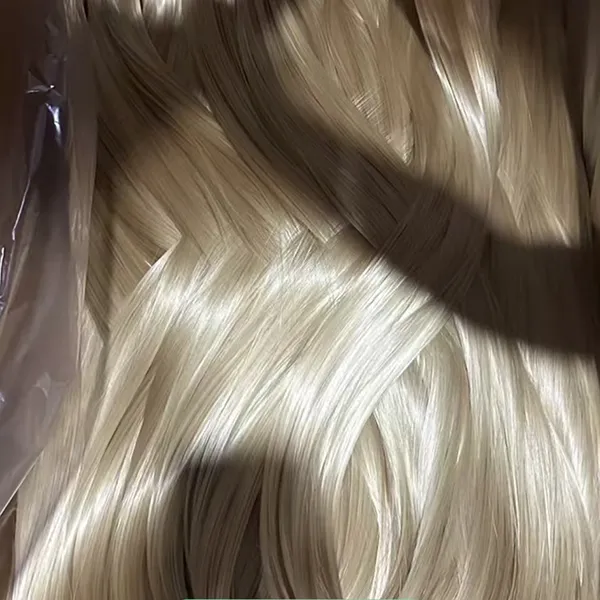
Engineers design synthetic hair to copy the look and movement of real strands. The extrusion process creates fibers with a similar diameter to human hair. Synthetic hair includes subtle shine that matches natural gloss. The fibers bend and flow in ways that feel realistic. This careful design makes the fake strands hard to spot.
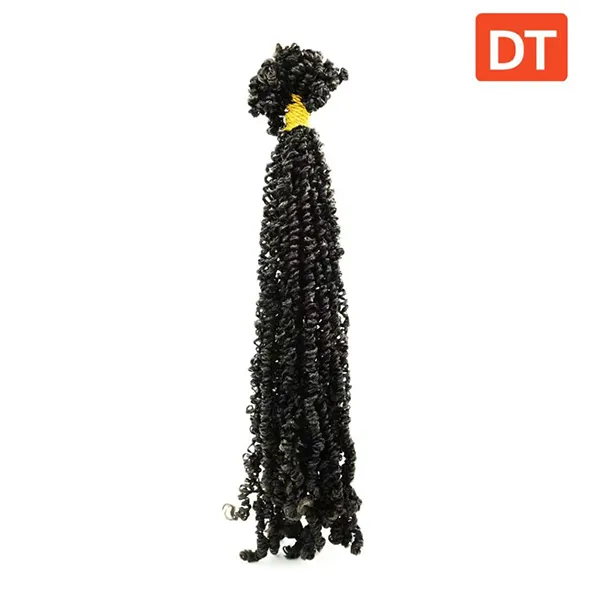
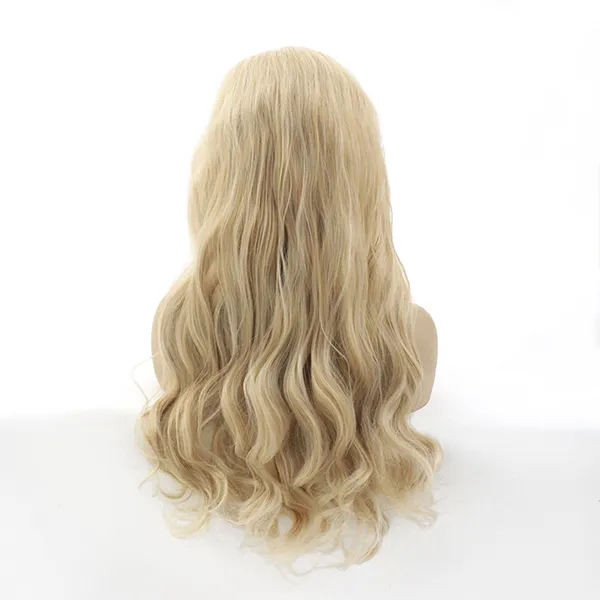
Synthetic fibers hold pre-set textures such as curls or waves. This pre-styling means the hair keeps its shape after washing. A wig made from synthetic fibers stays bouncy without extra work. Many people cannot tell quality synthetic hair from real strands. The technology behind these products improves each year.
Synthetic hair represents a smart choice for budget-conscious buyers. Synthetic fibers offer reliable performance for daily wear. A wig allows users to change their look instantly. Synthetic hair fibers represent a trusted option for many users. The combination of design and materials creates a natural appearance. The fibers reflect light in a way that mimics real hair shine.
Different Types of Hair Fiber
Standard, Kanekalon, and Toyokalon
Standard fiber is the most common type of synthetic hair. It costs the least and works well for short-term styles. This fiber holds a curl under low heat. It cannot take hot tools without damage. Standard fiber feels coarser than other types of synthetic hair. It works best for braiding hair and simple updos.
Kanekalon offers a softer feel and a more natural luster. This fiber resists flame better than standard strands. Stylists favor it for braids and long-lasting locks. Kanekalon does not tolerate high heat well. It also tangles more than premium options. Many users pick this type of synthetic hair for its balance of price and performance.
Toyokalon is the lightest and softest of the three. It mimics fine human hair with a gentle drape. This fiber suits wigs that need a natural flow. Toyokalon costs more than standard or Kanekalon strands. It also sheds more easily when brushed hard. Buyers who want a realistic look often choose this type of synthetic hair.
The table below offers a quick comparison of major synthetic hair types.
| Fiber | Feel | Heat Tolerance | Best Use |
|---|
| Standard | Coarse | Low | Braids, short styles |
| Kanekalon | Soft | Low to medium | Braids, locks |
| Toyokalon | Very soft | Low | Natural-looking wigs |
Heat-Resistant, Blends, and Hair Building Fibers
Heat-resistant synthetic fibers tolerate styling tools at higher settings. This heat resistance lets users curl or straighten the strands. The fibers recover their shape after cooling. Heat-resistant synthetic hair costs more than standard options. It also needs gentler handling to avoid scorching. These synthetic fibers suit anyone who changes styles often.
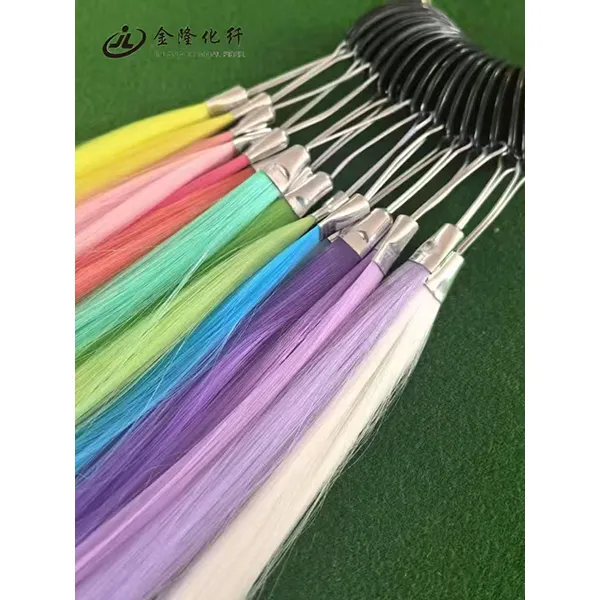
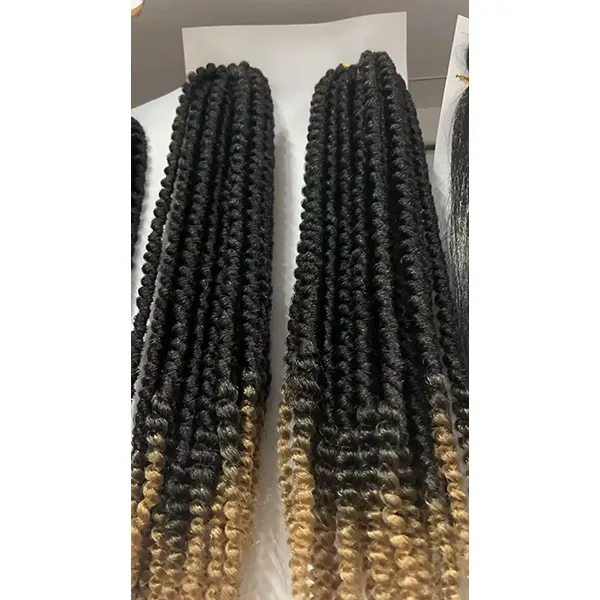
Blended fibers mix two or more materials into one strand. Makers combine polymers to balance shine, softness, and strength. Blending also creates custom colors and ombre effects. A single package can shift from dark roots to light ends. These synthetic fibers give stylists more creative range. The mix depends on the look the buyer wants.
Hair building fibers work differently from wig strands. These tiny synthetic fibers carry a static charge. That charge creates electrostatic bonding with existing strands. Users shake hair building fibers over thin spots to add volume. The fibers cling in place until the next wash. People with thinning hair use them as a quick concealer.
Synthetic Hair vs. Human Hair
Texture, Shine, and Styling Limits
Texture separates these two materials right away. Human hair strands have an uneven surface. This uneven surface creates natural friction and hold. Synthetic hair strands feel smoother and more uniform. The uniform surface gives a silkier touch. It also makes the fiber reflect light differently. Human hair absorbs light and shows a soft glow. Synthetic hair bounces light back with a sharper shine. Some buyers find that shine too glossy at first. A light dusting of powder can tone it down.
Styling limits matter just as much. Human hair accepts curling irons, flat irons, and blow dryers at high heat. It also takes chemical color and bleach. Synthetic hair cannot survive those treatments unless the label says heat-resistant. Standard synthetic hair melts under high heat. The strands fuse together and lose their shape. Even heat-resistant types need low settings and quick passes. Color changes are also off the table for most synthetic hair. Dye cannot penetrate the polymer strands. Buyers who want frequent color changes should weigh this limit carefully.
Cost, Longevity, and Maintenance
Price is the clearest dividing line. Human hair costs far more because it comes from donors and needs careful processing. Synthetic hair costs a fraction of that price. Synthetic wigs are widely available and often more affordable than human hair wigs. A buyer can own several synthetic wigs for the price of one human hair wig. That range gives users room to experiment with color and length.
Longevity favors human hair in most cases. Human hair lasts for years with proper care. Synthetic hair has a shorter lifespan. Friction, heat, and washing slowly break down the fibers. Most synthetic wigs hold their look for a limited number of wears. The exact span depends on the fiber type and how often the piece is worn.
Maintenance is where synthetic fiber wins. Synthetic fiber is more easily cared for and lower priced compared to human hair. A gentle wash and air dry usually restore the style. The pre-set curl springs back without tools. Human hair needs conditioning, deep treatments, and regular styling. Those steps take time and money.
The table below summarizes the main differences between human and synthetic hair fibers.
| Factor | Synthetic Hair | Human Hair |
|---|
| Cost | Low | High |
| Heat styling | Limited | Full range |
| Color changes | Rarely possible | Easy |
| Lifespan | Shorter | Longer |
| Daily upkeep | Minimal | Higher |
Choosing the Right Synthetic Hair
Matching Fiber to Need and Budget
The right fiber depends on your styling goal and your wallet. Standard fiber suits short-term braids and simple updos. Kanekalon works well for long-lasting braids and locks. Toyokalon gives wigs a soft, natural drape. Heat-resistant types fit anyone who curls or straightens often. Hair building fibers serve people with thinning hair. Matching fiber type to your needs prevents wasted money and disappointment.
Budget plays a clear role in this choice. Standard and Kanekalon fibers cost the least. Toyokalon and heat-resistant options cost more. A buyer can own several synthetic wigs for the price of one human hair wig. That range lets you test colors and lengths without guilt. Synthetic hair for sensitive scalps also exists in softer, gentler blends. Think about how often you will wear the piece. Daily wear demands a durable fiber. Occasional use allows a cheaper option.
Reading Labels and Spotting Quality
Labels tell you most of what you need to know. Look for the fiber name, such as Kanekalon or Toyokalon. Check the heat tolerance rating before you buy. A label that says “heat-resistant” means the fiber takes low heat. A label without that phrase means no hot tools at all. The label should also list the length and weight. These numbers help you compare packages fairly.
Quality shows in small details. Run your fingers along the strands. Good synthetic hair feels smooth and returns to its shape. Poor fiber feels rough and stays bent. Hold the bundle up to light. A soft, low shine looks more natural than a sharp glare. Give the hair a gentle tug. Shedding strands mean weak fiber. A quality wig will hold its style after washing. Check the cap construction on any wig you consider. A well-built cap lasts longer and feels more comfortable. Proper care starts with a smart purchase.
How to Identify Quality Hair Fibers
The Feel, Shine, and Shedding Test
Your hands can judge synthetic hair before you buy it. Run your fingers along the strands from root to tip. Quality synthetic hair feels smooth and soft. It springs back when you bend it. Poor fiber feels rough and stays bent. That stiffness signals weak material. A good wig will feel pleasant against your skin.
Shine tells you a lot about fiber quality. Hold the bundle under a light. Natural-looking synthetic hair has a soft, low shine. A sharp glare means the fiber will look fake. You can tone down shine with a light dusting of powder. Shedding is another clear sign. Give the hair a gentle tug. A few loose strands are normal. Clumps of fiber mean poor construction. That wig will thin out fast with regular wear.
The Burn Test and Its Results
The burn test reveals what a fiber is made of. This test works best on a small sample strand. Hold the strand with tweezers over a safe surface. Light the tip with a match. Watch the flame, the smell, and the ash. Each fiber type reacts in its own way.
Kanekalon resists flame better than standard fiber. It burns slowly and gives off a chemical smell. The ash feels hard and beads up. Standard fiber burns faster and smells like burning plastic. The ash crumbles into black powder. Human hair smells like burning hair and turns to soft ash. A plastic smell confirms synthetic material. Always test in a ventilated area. Never test a full wig you plan to wear. Proper care starts with knowing your fiber.
Caring for Synthetic Hair
Washing, Drying, and Storing
Proper care and maintenance are essential to prolong the lifespan of synthetic hair. The right routine depends on the fiber type. Standard and Kanekalon fibers need gentle handling. Use cool water and a small amount of mild shampoo. Swish the wig gently in the water. Do not scrub or twist the strands. Rinse until the water runs clear. Toyokalon needs even gentler treatment because it sheds easily. Heat-resistant synthetic hair tolerates slightly warmer water. Always check the label for specific guidance.
Drying works best with air. Lay the piece flat on a towel. Pat away excess water without rubbing. Let it dry away from direct sunlight. Store synthetic hair styles on a wig stand or in a breathable bag. Keep pieces away from heat sources. These care and maintenance tips protect the fibers from damage. Good care for synthetic hair extends its usable life.
Styling Rules and Heat Safety
Styling rules depend on the fiber. Standard and Kanekalon fibers cannot take hot tools. Heat melts the strands and ruins the style. Toyokalon also has low heat resistance. Only heat-resistant synthetic hair accepts curling irons or flat irons. Even then, use the lowest setting. Quick passes work better than slow ones. Never use heat on synthetic hair without checking the label first.