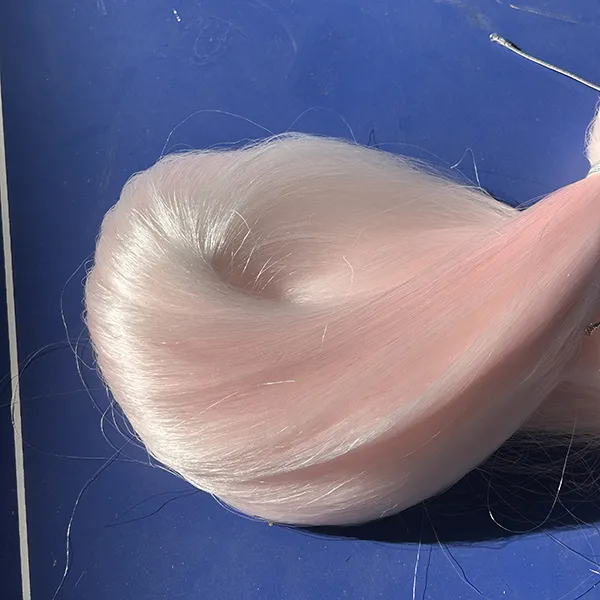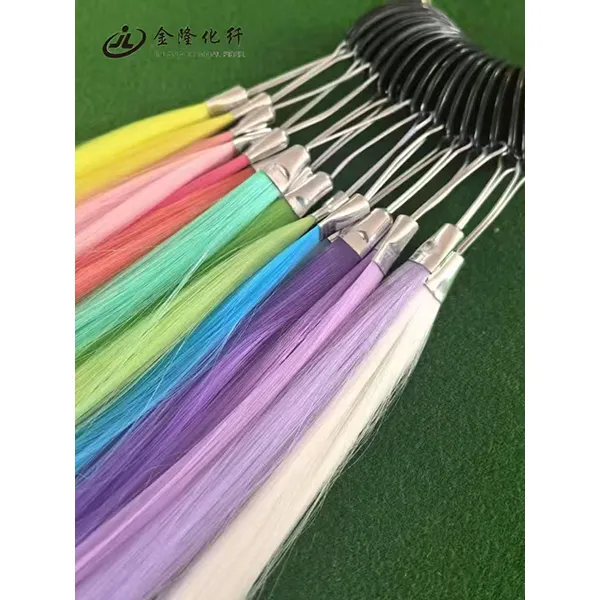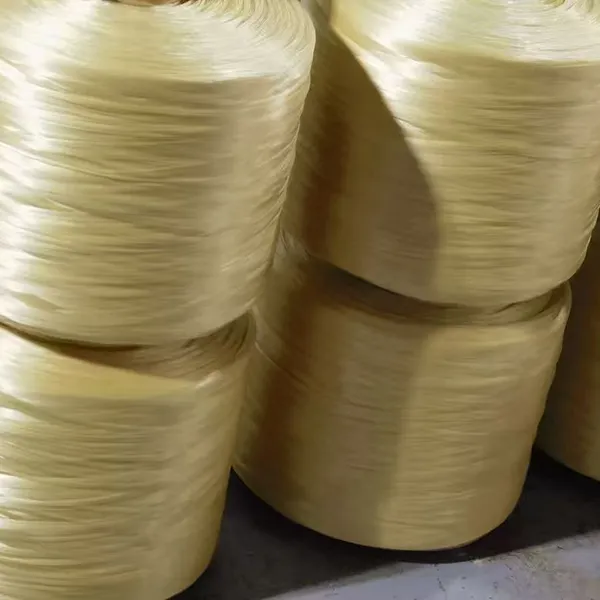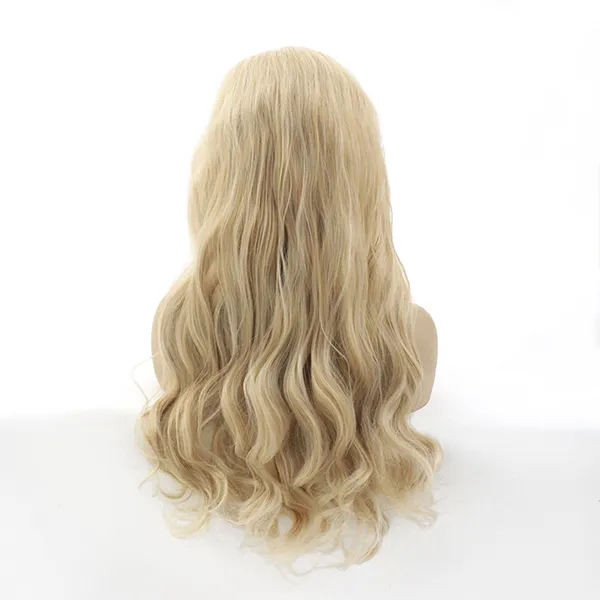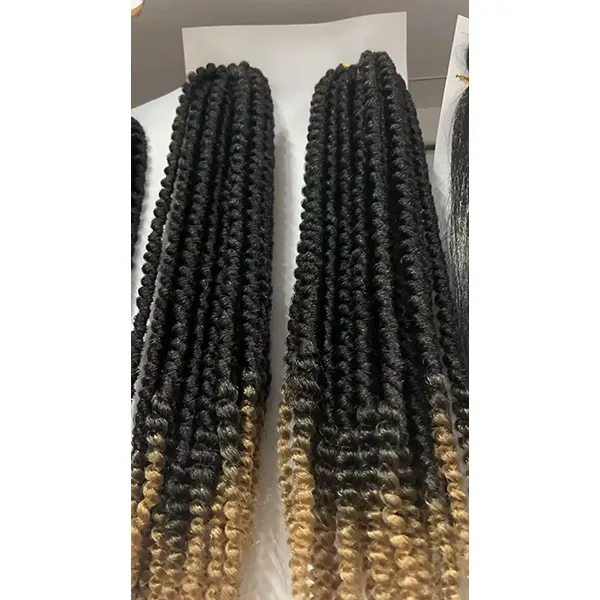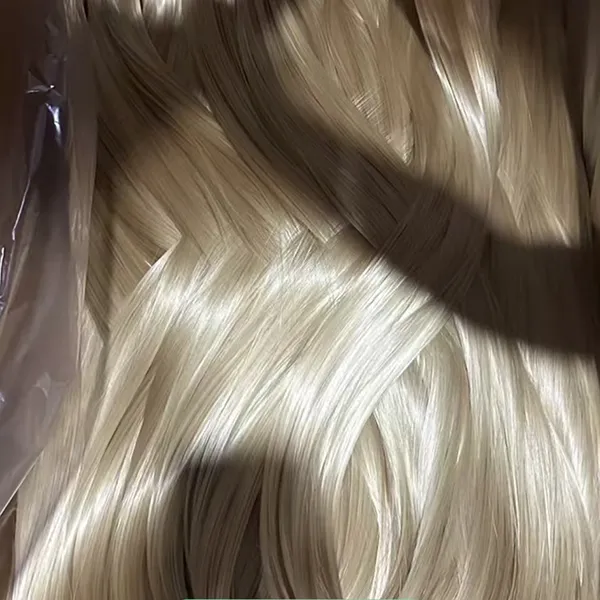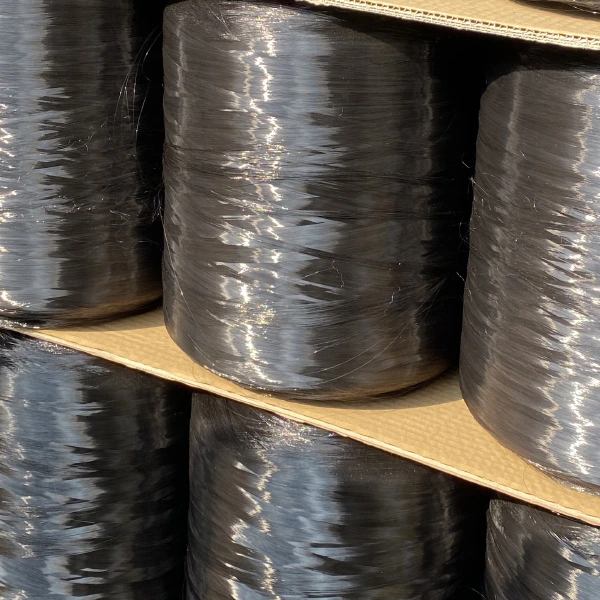
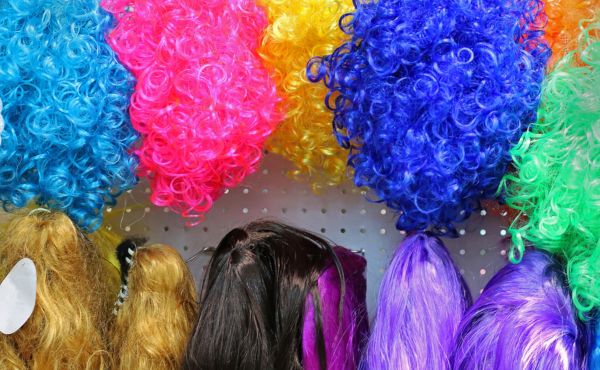
Synthetic hairpieces are made primarily from fine polymer fibers engineered to imitate the appearance and movement of human hair. Common fiber families include modacrylic, polyester, polyvinyl chloride (PVC), acrylic, and nylon. Finished wigs, toppers, extensions, and ponytails also contain supporting components such as lace, mesh, sewing threads, elastic, clips, combs, polyurethane sections, tapes, or adhesives.
Calling these products “plastic hair” is broadly understandable but incomplete. The base polymer matters, yet filament thickness, surface finish, color blending, curl formation, and hairpiece construction often have an equally strong effect on how finished products look and perform.
Common Fibers Found in Synthetic Hairpieces
Different manufacturers use different formulations and fiber grades. As a result, two products labeled “synthetic hair” may not have the same texture, heat response, or durability.
Modacrylic fibers are widely used for wigs, braids, weaves, and other hair attachments. Selected grades provide softness, controlled luster, hot-water setting, or flame-retardant performance. Polyester fibers are also common, particularly in hairpieces designed for body, curl retention, or controlled heat styling. PVC fibers can be formed into fibers with the texture and volume required for crochet hair, weaves, and other styles. Acrylic and nylon are found in conventional fibers and blends.
Trade names can make this subject confusing. Kanekalon is a trademark rather than one generic polymer. Its manufacturer identifies several product lines, including modacrylic, polyester, and PVC fibers. Toyokalon is also a trademark used for hairpiece fibers. Buyers and content publishers should therefore avoid treating Kanekalon or Toyokalon as chemical categories equal to polyester or PVC.
How Synthetic Hair Fibers Are Made
Production methods vary by formulation, but synthetic hair generally begins with a polymer prepared for fiber formation. The material is passed through very small openings to create fine filaments. The filaments are then cooled or solidified, stretched to obtain the required dimensions, colored, and processed into specific textures.
Manufacturers can cut fibers to length or retain longer filaments for later processing. Mechanical and thermal treatments create straight, wavy, curly, crimped, or coiled patterns. Fibers are then bundled, made into wefts, or ventilated into wig bases.
This process explains why the polymer name alone does not predict quality. Filament diameter affects fineness, volume, and weight. Cross-sectional shape changes the way light reflects from the surface and how fibers bend. Pigment combinations affect color depth, while surface treatments influence shine, slip, static, and tangling.
Appearance and Feel Depend on More Than Composition
Search results often imply that one named fiber automatically looks more natural than another. In practice, realism comes from several related decisions.
Fineness, Movement, and Luster
Fibers that are too coarse or stiff may not move like natural hair. Excessive, uniform shine can also make hairpieces look artificial. However, simply choosing thinner or more matte fibers is not always better. Textured braids may need more body and grip, while straight wigs may require smoother movement and controlled reflection.
Color construction also matters. Blending several related shades can create more visual depth than using one completely uniform color. In wigs, density, parting construction, hairline design, and the direction of the fibers further influence the finished appearance.
Style Memory and Humidity Response
Many synthetic wigs are thermally set during production, allowing curls or waves to return after washing and drying. This style memory reduces daily restyling and helps the hairpiece retain its intended form under humid conditions.
Style memory does not mean that every synthetic fiber can be restyled with heated tools. Conventional synthetic fibers may deform or melt when exposed to inappropriate temperatures. Products described as heat-friendly use grades intended for controlled styling, but the permitted temperature and method are product-specific.
Tangling and Wear
Surface friction, fiber length, curl pattern, and contact with clothing affect tangling. Longer hairpieces receive more friction at the shoulders and collars. Curly fibers can also interlock more easily than straight fibers. Finishes may improve separation and movement, but their durability varies with washing and wear.
The Base and Attachment Components
The visible fibers are only one part of complete hairpieces. Lace fronts and full-lace bases commonly use fine nylon or polyester mesh. Monofilament sections use fine mesh to support directional placement and create a scalp-like appearance. Wefted caps combine rows of synthetic hair with mesh, elastic bands, and sewing threads.
Some hairpieces include thin polyurethane sections that provide smooth surfaces for tapes or adhesives. Others rely on clips, combs, hooks, or adjustable elastic. These components influence fit, ventilation, movement, and how easily products can be applied or removed.
The word “monofilament” can describe part of a wig base, so it should not automatically be presented as a separate type of synthetic hair fiber. Cap construction and fiber composition are different aspects of the same finished product.
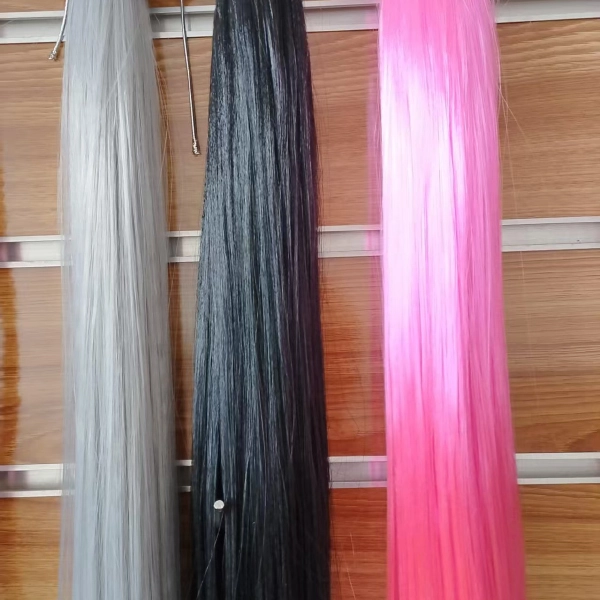
Regular and Heat-Friendly Synthetic Hairpieces
Regular synthetic hairpieces are normally supplied in preset styles. Their main advantage is consistency: after correct washing and air-drying, they generally return to their original shape. The tradeoff is limited restyling flexibility.
Heat-friendly hairpieces allow controlled changes with approved styling tools. They can offer greater versatility, but frequent heating may roughen the fiber surface, weaken curl recovery, or shorten useful life. “Heat-resistant” should never be interpreted as unlimited heat tolerance. Users should follow the temperature, contact time, and care instructions for the exact product.
Neither option is universally better. Preset fibers suit products expected to retain one reliable style with minimal maintenance. Heat-friendly fibers are more appropriate when changing between straight and curled looks is an intended part of use.
Comparing Synthetic Hairpieces More Effectively
Useful comparisons should look beyond broad claims such as “premium synthetic.” Important questions include:
- Which generic fiber and grade are used?
- Is the style permanently set, hot-water settable, or approved for heated tools?
- How do the fibers perform after washing, brushing, and repeated wear?
- Are the luster, texture, density, and color blend suitable for the intended design?
- Which base and attachment construction supports the fibers?
For brands, importers, and product developers, representative finished samples are more informative than loose fiber swatches. Wigs and extensions should be evaluated at their actual length, density, curl, and base construction because these conditions change movement, weight, and tangling.
Conclusion
Synthetic hairpieces are made from engineered polymer fibers combined with bases and attachment components. Modacrylic, polyester, PVC, acrylic, and nylon provide the starting materials, but they do not determine finished quality by themselves. Filament design, color blending, surface finish, thermal setting, density, and cap construction all shape the final result.
Understanding these layers makes it easier to compare hairpieces accurately. Instead of relying on trade names or vague “premium” labels, evaluate the exact fiber grade, approved styling conditions, finished construction, and performance after normal care.
Frequently Asked Questions
Are synthetic hairpieces made from plastic?
Yes, their strands are generally made from engineered polymer fibers related to plastics. However, “plastic” does not identify the exact fiber family, grade, finish, or heat behavior.
Do synthetic hairpieces contain human hair?
Fully synthetic hairpieces do not. Blended hairpieces combine human hair with synthetic fibers, and the composition should be clearly identified.
Can all synthetic hairpieces be styled with heat?
No. Only products specifically identified as heat-friendly or heat-resistant should be used with heated tools, and their stated temperature and method must be followed.