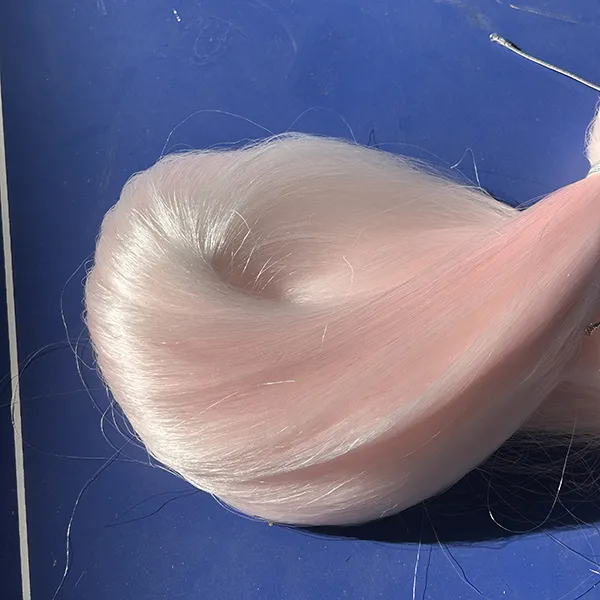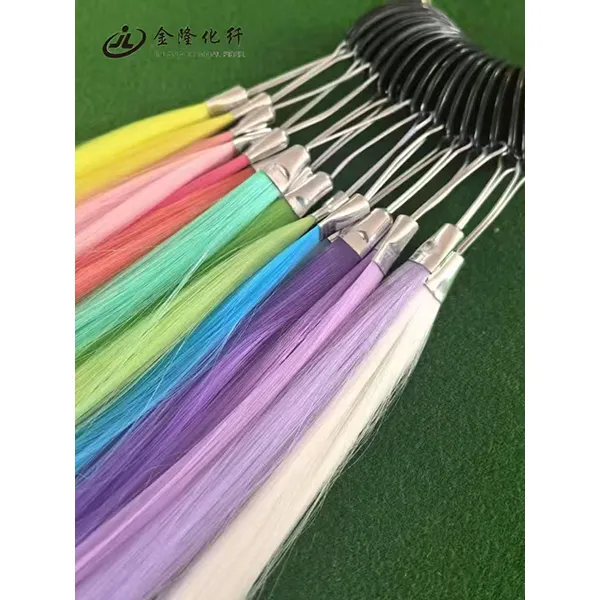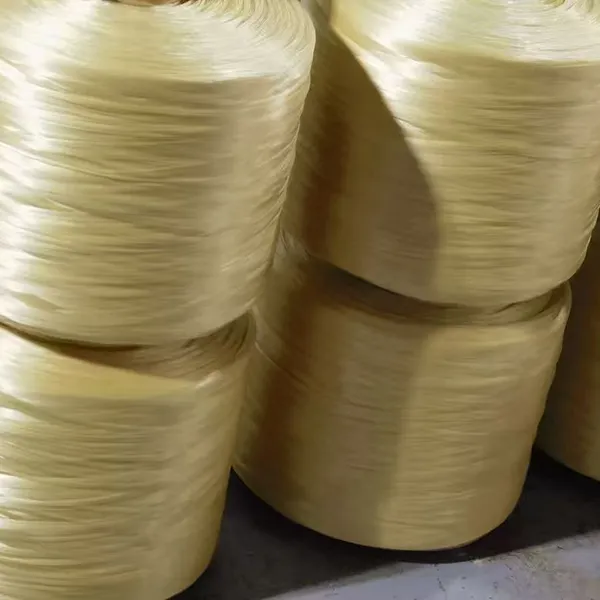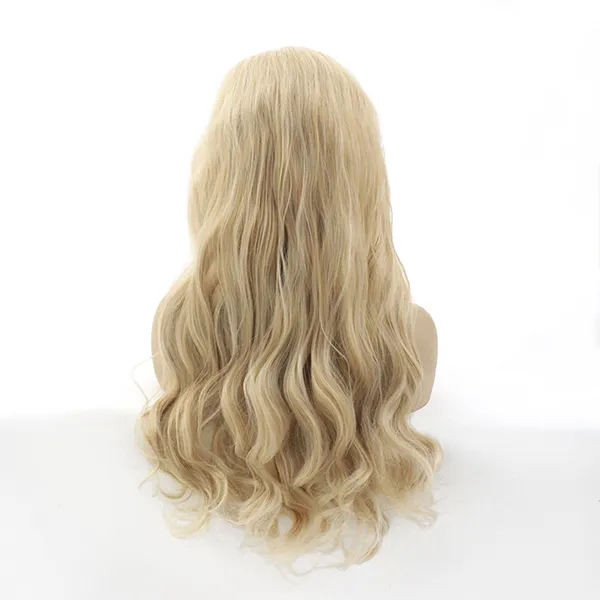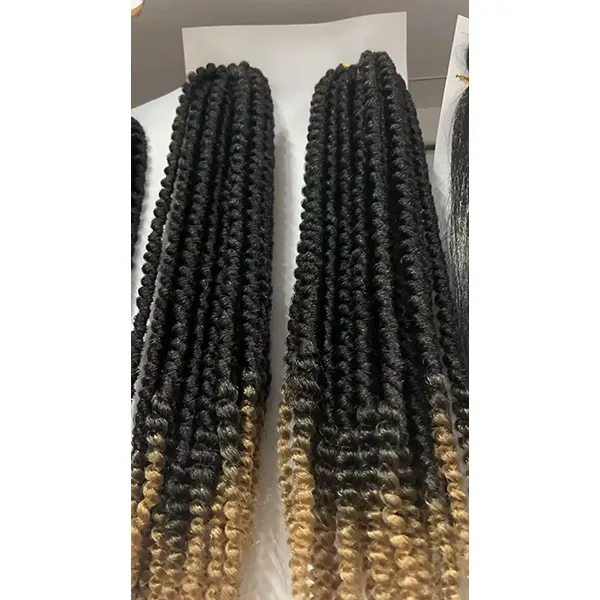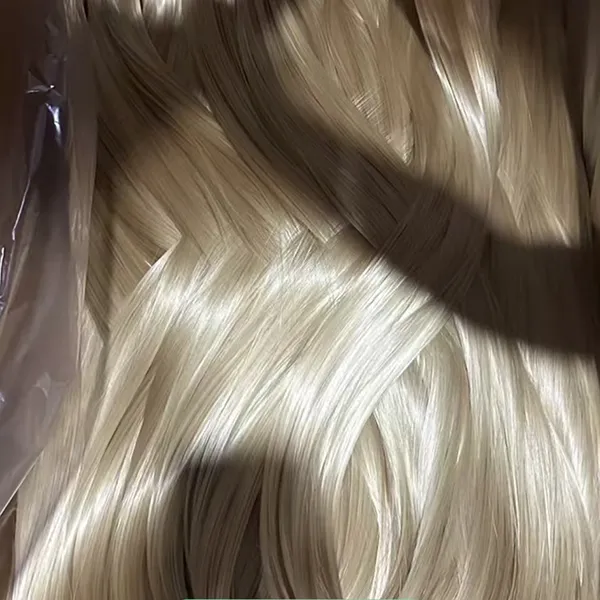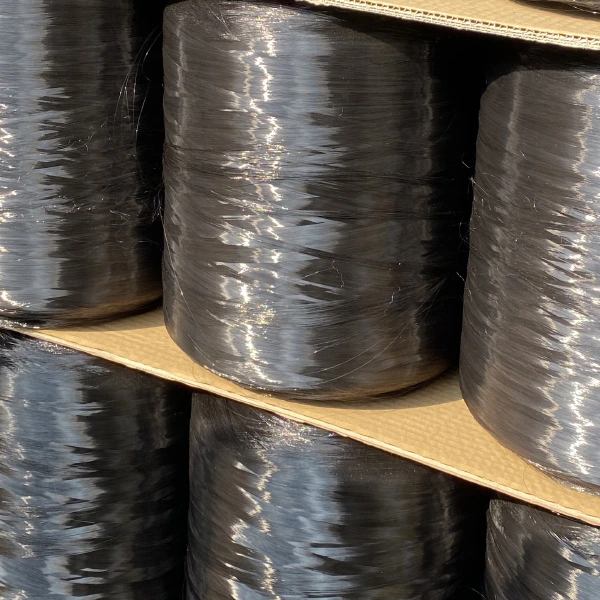
Synthetic wigs and braids are commonly made from modacrylic, polyester, polyvinyl chloride (PVC), acrylic, nylon, or proprietary fiber blends. These fibers are not interchangeable. Their formulations, filament dimensions, finishes, and processing methods affect softness, shine, weight, grip, curl retention, heat response, and resistance to tangling.
The market also uses trade names such as Kanekalon, Toyokalon, futura™, and ADVANTAGE. These names should not be treated as if they were all generic polymers. Understanding the difference between fiber families and branded products is the first step toward comparing them accurately.
Generic Fiber Types and Branded Names
Generic fiber names identify broad material categories, while trademarks identify products or product families supplied by particular manufacturers. Performance labels such as “heat-friendly” describe an intended capability but do not reveal complete composition.
Kanekalon illustrates the distinction. It is an umbrella trademark associated with several identified hair-fiber lines: Kanekalon modacrylic, futura™ flame-retardant polyester, and ADVANTAGE PVC. A comparison between “Kanekalon and polyester” is therefore incomplete unless the exact Kanekalon line is known.
Toyokalon is another trademark used for hairpiece fibers. Its current grade and generic composition should be confirmed rather than inferred from the name. Likewise, terms such as “premium synthetic” or “high heat fiber” require supporting specifications before they can be meaningfully compared.
Major Synthetic Fibers Used in Hair Products
Modacrylic
Modacrylic is a manufactured fiber category containing a defined proportion of acrylonitrile units. It is not one fixed formulation, so properties can vary between grades.
Modacrylic fibers are widely used in wigs, braids, weaves, and other hair attachments. Specific grades can provide softness, controlled luster, hot-water setting, and flame-retardant behavior. For braiding hair, useful characteristics include low weight, easy separation, sufficient grip, and predictable sealing or setting. Wig fibers additionally need suitable movement and tangling performance at the intended length.
Polyester
Polyester fibers can be engineered for body, curl retention, softness, and controlled heat styling. They are used in wigs, ponytails, extensions, and other products where restyling flexibility may be required.
futura™ is one branded flame-retardant polyester fiber used in hair attachments. Its styling guidance applies to that product rather than to every polyester fiber. Heat performance should always be checked at grade and finished-product level.
Repeated heat styling can affect smoothness, ends, curl recovery, and color. Buyers comparing heat-friendly fibers should therefore consider not only the maximum stated temperature but also how the product performs after repeated styling, washing, and brushing.
PVC
PVC fibers can provide body, texture, curl, and bulk for crochet hair, loose braiding hair, weaves, and selected hairpieces. ADVANTAGE is one branded PVC line intended for hair attachments.
PVC grades should be compared by weight, stiffness, luster, friction, curl stability, hot-water response, and intended format. Fibers that create full crochet styles may feel too bulky or lack the drape expected in long straight wigs.
Acrylic and Nylon
Acrylic and nylon are also used in synthetic wigs, extensions, costume hair, and blends. Acrylic and modacrylic are separate categories despite the similarity of their names. Nylon fibers can vary in stiffness, resilience, shine, and heat behavior.
Products labeled only as “synthetic fiber” provide too little information for a reliable comparison. The generic composition and performance instructions should be identified wherever possible.
Synthetic Fiber Comparison
| Fiber or Term | Typical Strengths | Important Limitations or Checks |
|---|---|---|
| Modacrylic | Softness, texture control, style setting, flame-retardant options | Properties and setting methods vary by grade |
| Polyester | Body, curl retention, heat-friendly options | Heat limits cannot be generalized to all polyester fibers |
| PVC | Bulk, texture, curl formation, suitability for selected braids and crochet styles | Weight, stiffness, odor, and drape require product testing |
| Acrylic | Available for conventional synthetic hair and blends | Not the same category as modacrylic; grade data may be limited |
| Nylon | Resilience and application-specific stiffness or smoothness | Shine, feel, and heat response vary by grade |
| Kanekalon or Toyokalon | Recognized trade names used in the hair industry | Confirm the exact product line and generic composition |
No fiber should be ranked as universally best. A realistic wig, lightweight box braid, stable crochet curl, and heat-restylable ponytail require different combinations of properties.
Fibers for Wigs, Braids, and Extensions
Ready-Styled and Heat-Friendly Wigs
Ready-styled wigs benefit from controlled luster, natural movement, stable curls, and reliable recovery after washing. Conventional preset fibers may be preferable when the design should remain unchanged with minimal maintenance.
Heat-friendly wigs require documented styling limits and resistance to surface roughening after repeated tool contact. Long wigs also need low enough friction to reduce tangling where the fibers touch collars and shoulders.
Loose Braiding Hair
Braiding fibers need a different balance. They should separate easily, provide enough grip for installation, and avoid excessive drag on the hands. Finished weight is important for long or high-volume styles. Hot-water setting, feathering, sealing, and end appearance should be tested using the intended braid construction.
Fibers that feel very smooth in loose bundles may be difficult to control during braiding. Conversely, fibers with too much friction can tangle during separation. The most suitable choice depends on the style rather than on a brand name alone.
Crochet Hair, Wefts, and Extensions
Pre-looped and crochet hair requires consistent loops and curls that remain stable during installation. Wefts and extensions require sewability, drape, color consistency, and controlled tangling around attachment areas.
The same polymer family may be used across these products, but filament diameter, texture, finish, and curl processing will differ. This is why fibers developed for braids cannot automatically be substituted for wig fibers.
How Fiber Choice Changes Performance
Fiber composition influences performance, but the finished result also depends on engineering. Filament thickness and cross-section affect body, movement, and light reflection. Pigment blending affects color depth. Surface treatments influence shine, static, grip, and tangling.
Heat-related descriptions need particular care. Hot-water setting and direct styling with heated tools are not the same process. Products should be used only within the conditions stated for the exact fiber grade or finished hair product.
Safety and skin-contact claims also cannot be assumed from polymer names. Additives, coatings, residues, and finished-product processing may differ. Claims involving flame retardance, restricted substances, antimicrobial treatments, or skin compatibility require evidence for the product being supplied.
Conclusion
The principal synthetic fibers used for wigs and braids are modacrylic, polyester, PVC, acrylic, and nylon, but these names provide only the first level of classification. Branded fibers, specialized formulations, filament design, and surface finishing create important differences within each category.
The right choice depends on the finished product. Wigs prioritize movement, luster, style retention, and tangle control; braiding fibers need separation, grip, setting behavior, and manageable weight; crochet hair and wefts require stable construction and application-specific handling. Comparing exact grades under the intended use conditions produces more reliable conclusions than choosing by trade name alone.
Frequently Asked Questions
Is Kanekalon the same as modacrylic?
Not exactly. Kanekalon is a trademark. Kanekalon modacrylic is one branded line, while other lines under the wider brand use polyester or PVC.
What is the difference between Kanekalon and Toyokalon?
Both are trademarks rather than universal generic fiber categories. Accurate comparisons require the exact grades, compositions, textures, weights, and setting instructions.
Which synthetic fibers can be styled with heat?
Only fibers or finished products specifically approved for controlled heat styling should be used with heated tools. Permitted temperatures and methods vary by grade.