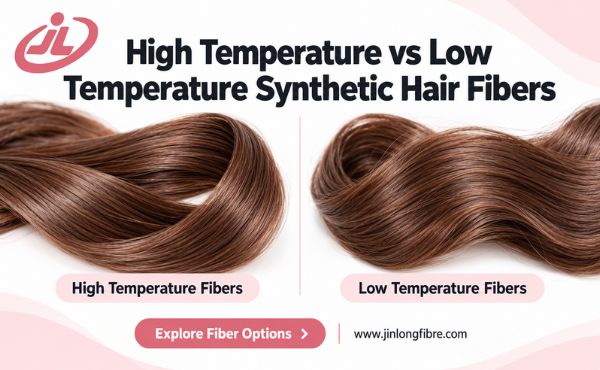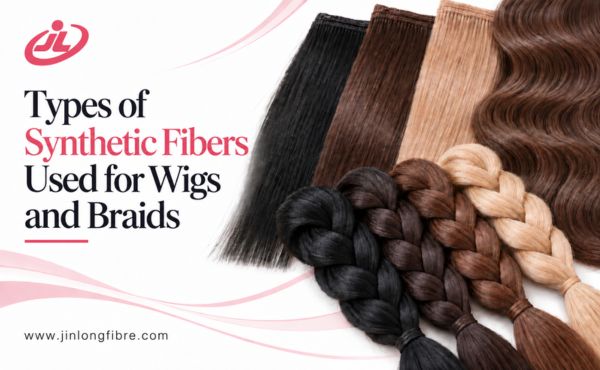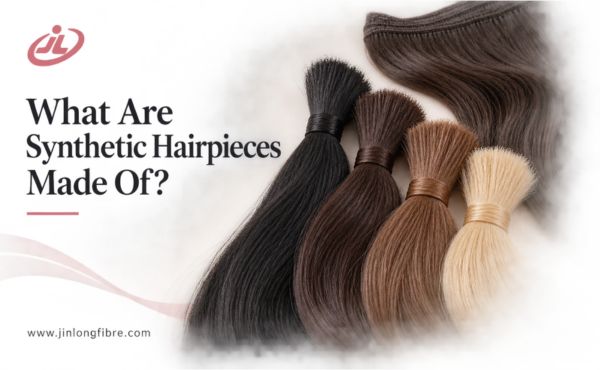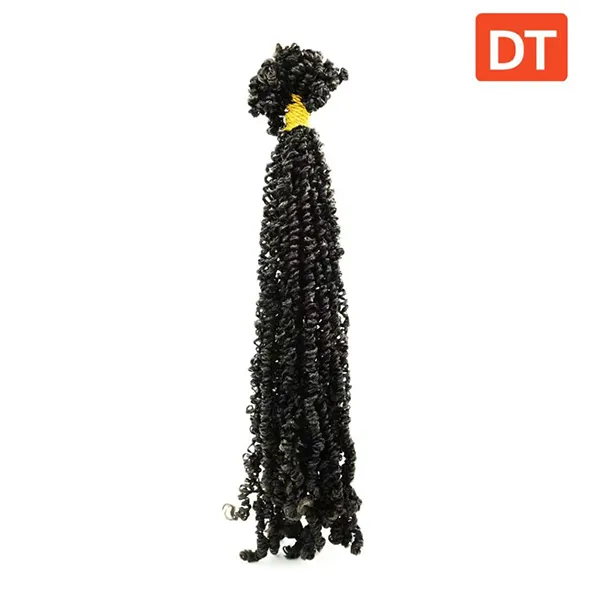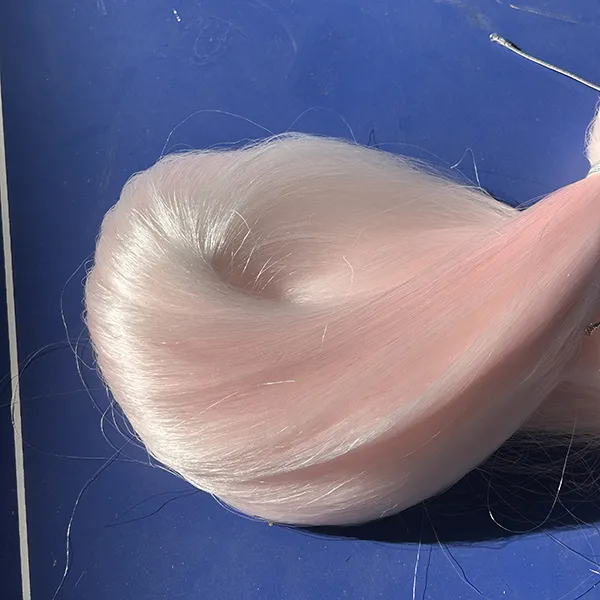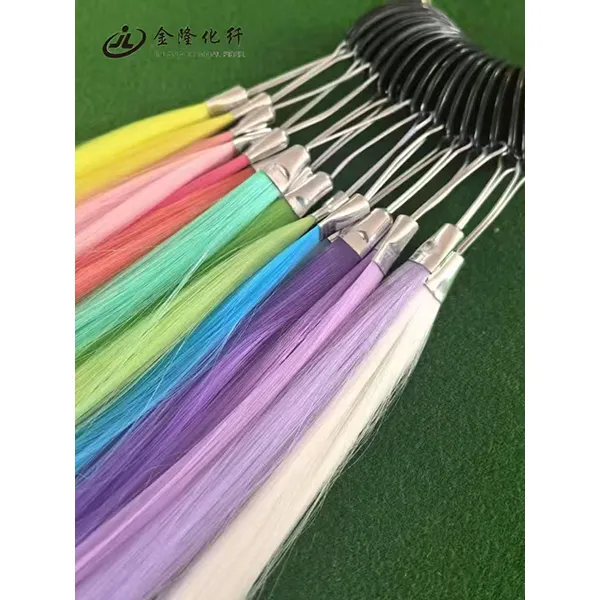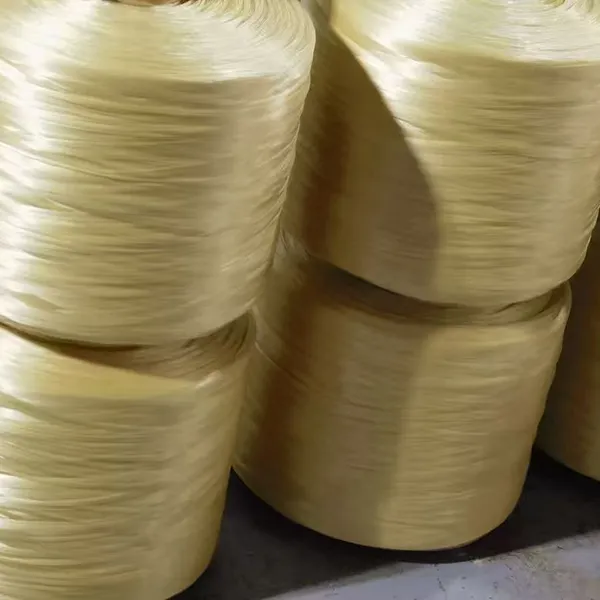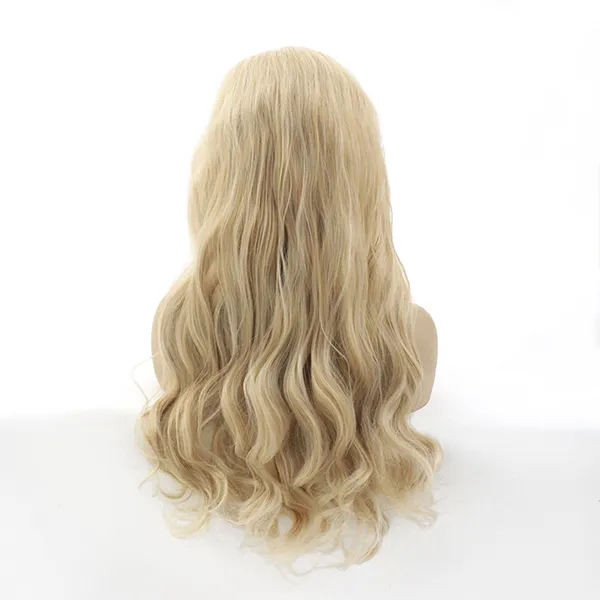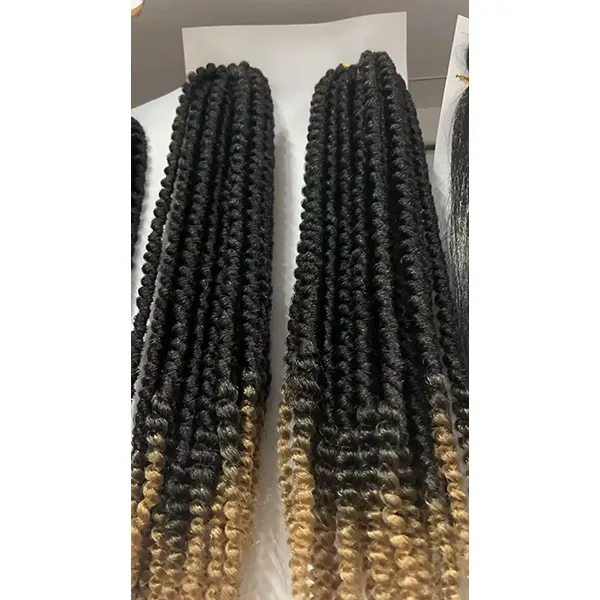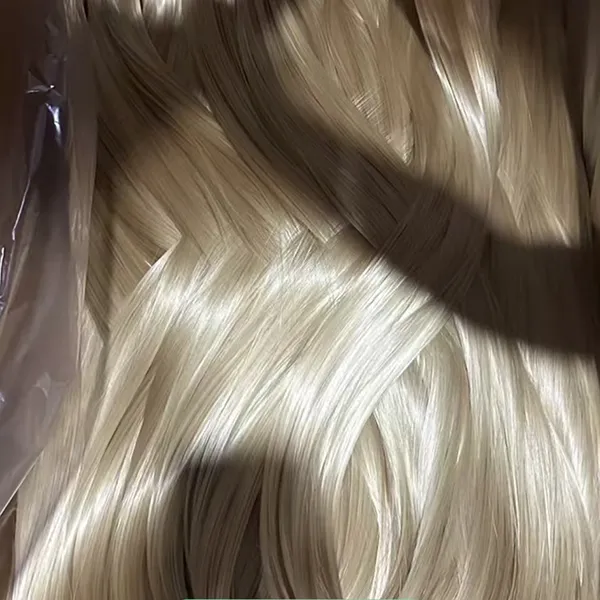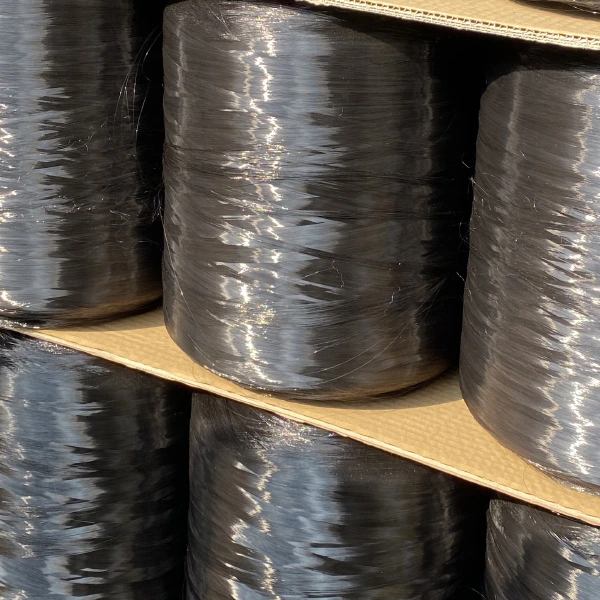
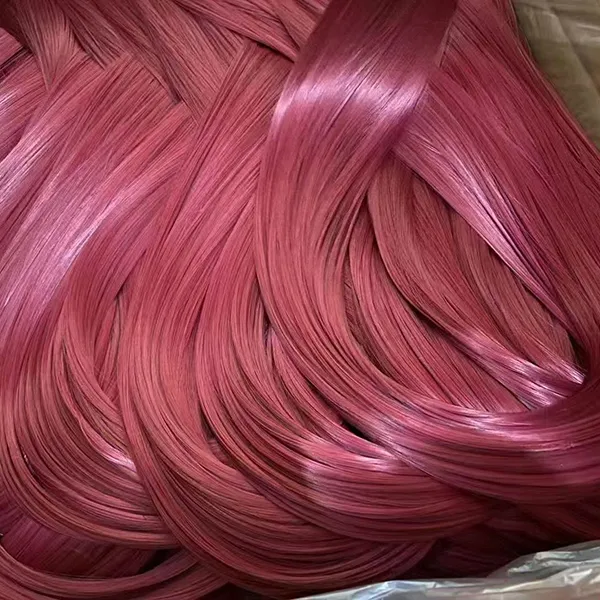
High-temperature and low-temperature synthetic hair fibers are commercial descriptions of different heat responses, not complete material specifications. High-temperature grades are generally offered for greater tolerance of controlled thermal processing. Some low-temperature grades are suited to hot-water setting or factory-set styles, but compatibility depends on the identified fiber.
For wig and hairpiece manufacturers, neither category is automatically better. The useful comparison is whether a specific grade can achieve and retain the intended texture through production and care. Polymer identity, heating method and exposure conditions provide a more reliable basis for selection than the temperature label alone.
Commercial Temperature Labels Need a Defined Grade
The terms “high-temperature fiber” and “low-temperature fiber” are used across supplier catalogs, but they do not supply one consistent temperature boundary. Two products described with the same label may have different compositions, finishes and recommended processing methods.
Polyester grades appear frequently in high-temperature hair-fiber offers, while some modacrylic products are associated with hot-water setting. These associations should not be turned into rigid definitions. Polyester is a broad family, and a material’s chemical name does not establish consumer styling instructions.
Brand terminology can create further confusion. A manufacturer may supply several hair-fiber families under related commercial names. Identify the precise line and grade before applying a thermal claim from another product.
Ask what the temperature description actually means: factory setting capability, a short hot-tool exposure, dimensional stability in an oven, or a different test. Those claims answer different questions.
An approved specification should state the method and conditions behind the claim. Without that information, comparing “higher temperature” values may simply compare unlike tests rather than meaningful material performance.
Hot-Water Setting and Hot-Tool Styling Are Different Capabilities
Hot-water setting uses water to transfer heat through a restrained hair bundle. Some suitable fibers can acquire or consolidate a texture under the approved procedure. This capability can be useful for braiding and other prepared hair products.
Direct-contact styling places the strand against a heated tool. The tool’s surface temperature, pressure, contact time and repeated passes affect the exposure. Steam and hot air introduce still other heat-transfer conditions.
These methods are not interchangeable. A grade that responds well to hot water may be unsuitable for a curling iron. Conversely, a grade marketed for hot tools may not produce the desired texture under a hot-water process.
Kaneka documents hot-water-setting functionality for specified modacrylic hair products. That is evidence for those products, not permission to immerse every low-temperature synthetic fiber in hot water.
Manufacturers should list each required method separately in the product brief. If a style needs factory steam setting but no consumer thermal restyling, approving hot-tool performance may add little value. If end users expect curling-iron restyling, factory setting alone does not establish that promise.
Compare the Grades Against Production and Care Requirements
The following table treats temperature names as starting descriptions. Actual decisions require the supplier’s grade-specific information and manufacturing trials.
| Comparison point | High-temperature description | Low-temperature description |
|---|---|---|
| Typical sourcing purpose | Controlled thermal processing or restyling | Factory-set styles or specified lower-temperature methods |
| Hot-tool permission | Must be explicitly established | Must not be assumed |
| Hot-water-setting ability | Requires separate confirmation | May be offered for certain grades |
| Texture retention | Depends on grade and setting cycle | Depends on grade and setting cycle |
| Quality level | Not established by the label | Not established by the label |
For a ready-styled wig, the most useful property may be retention of the approved shape through cleaning and normal handling. Higher tool tolerance does not automatically improve this result.
For a restylable wig, assess whether the material can form the required new style without unacceptable shrinkage, roughness or loss of movement. Evaluate the care instructions that customers will actually follow.
For blends, consider the response of every component. Combining a higher-temperature filament with another fiber does not make the entire bundle equally tolerant. Unequal shrinkage or setting response can affect the finished texture.
Cost comparisons should also account for processing results. A candidate that requires additional handling or produces more rejected pieces may not suit the production brief even if its raw material price is attractive. Establish this through pilot records rather than assumptions about either category.
Judge Appearance and Handling Independently of Heat Tolerance
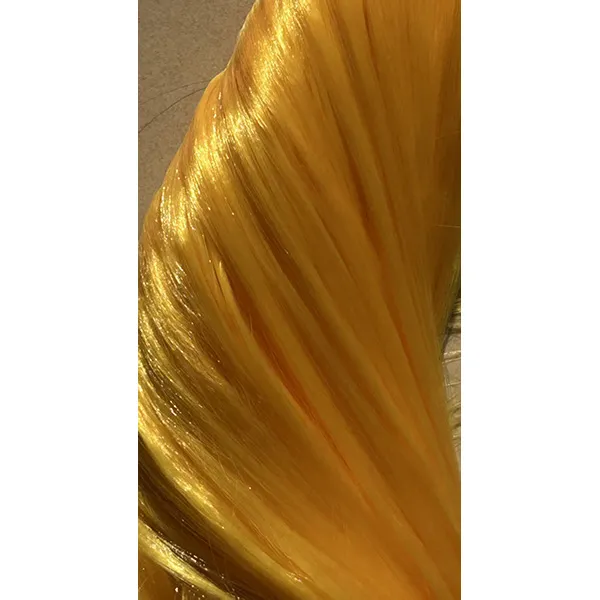
Heat tolerance is only one performance dimension. Softness, gloss, combing behavior and finished weight need their own evaluation. None follows automatically from a high-temperature label.
Compare candidate grades at similar lengths and in the intended texture. An easy-to-handle straight sample does not establish performance in a long, tightly curled wig. Likewise, the same bundle mass may produce different visible fullness with different filament geometry.
Fineness, cross-section and surface treatment influence how the fibers look and move. These factors can create meaningful differences between grades within the same commercial category.
Clean the trial samples according to the proposed care routine and repeat the handling assessment. A fresh finish can make an incoming bundle feel smoother than it will after repeated care. Record whether the approved appearance remains acceptable rather than relying on a single initial touch test.
Avoid descriptions such as “low-temperature fibers always look more natural” or “high-temperature fibers are always more durable.” These claims collapse several independent properties into one label and can lead to unsuitable material choices.
Confirm the Processing Window with a Controlled Trial
Begin with documented recommendations for the identified grade. Do not search for an unknown fiber’s melting point by progressively overheating it and then treat the result as its safe working limit.
For the planned setting method, record temperature, exposure time, bundle preparation, restraint and cooling conditions. Keep a control sample and use the same conditions for candidate comparisons.
Assess usable performance rather than survival alone. Look for length change, fused strands, altered gloss, rough ends and uneven texture. Follow the setting trial with the approved cleaning and handling sequence to determine whether the result remains suitable.
If a sample passes but a production bundle fails, examine heat distribution and preparation before concluding that the temperature category is wrong. Bundle density, moisture and exposure time may differ from the original trial.
Finally, validate the assembled wig or hairpiece. A fiber-compatible method can still damage attachment materials or affect cap shape. The finished product’s instructions must reflect all components, not just the loose hair.
Preserve the exact approved grade in the purchasing record. If the supplier proposes a replacement under the same temperature category, compare its documented conditions and repeat the relevant pilot. Category similarity does not establish equivalence, especially when the finished product is sold with a specific styling method.
Frequently Asked Questions
Should both categories be tested at the same temperature?
Only when that condition is relevant and permitted for both identified grades. Otherwise, compare each material under its intended approved process, then assess the resulting products against the same appearance and care requirements.
Can the categories be identified by touching a sample?
Not reliably. Touch can help assess softness and handling, but it does not establish composition or thermal permission. Use identified samples, documentation and a controlled qualification process.
Should a care label simply state “high-temperature fiber”?
That description alone is insufficient. Give the validated styling method and its relevant limits in clear user instructions. Confirm compatibility on the finished product before making the claim.
Conclusion
Compare high-temperature and low-temperature synthetic hair fibers by the work they need to perform. Establish grade identity, separate hot-water setting from hot-tool styling, and evaluate appearance independently of thermal tolerance. The better material is the one that meets the finished product’s requirements within a repeatable, validated process.