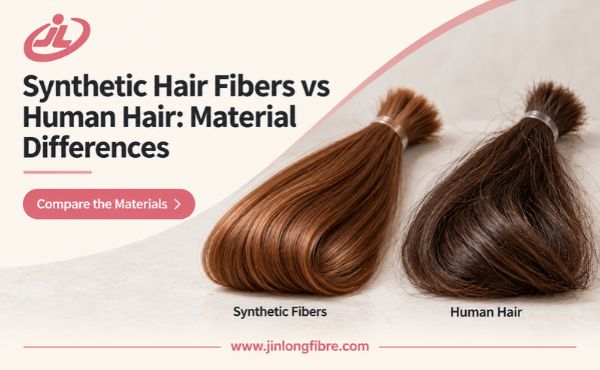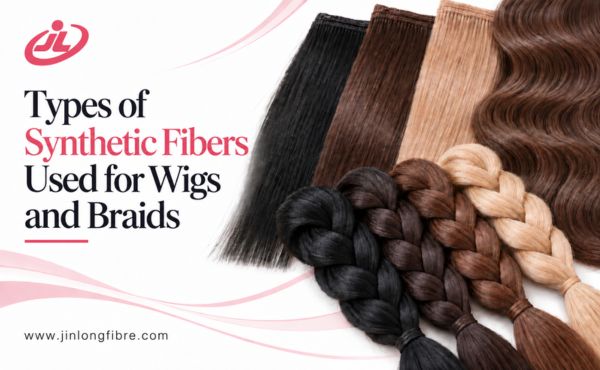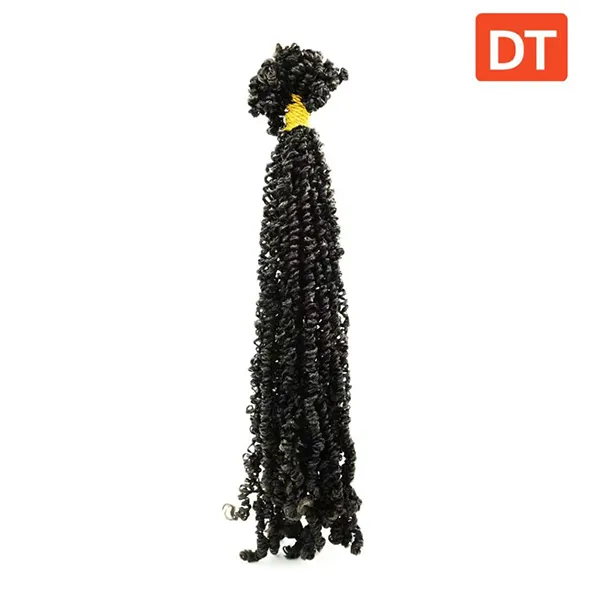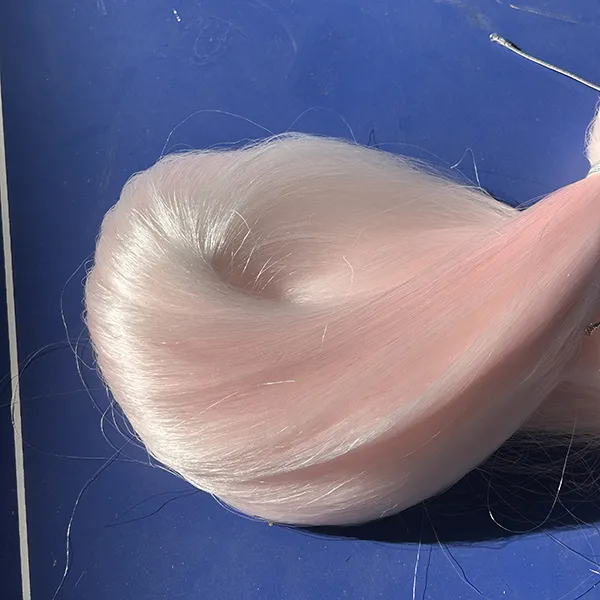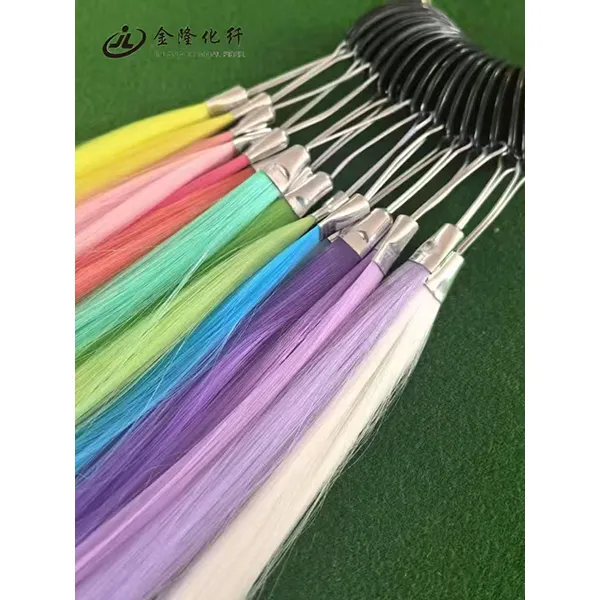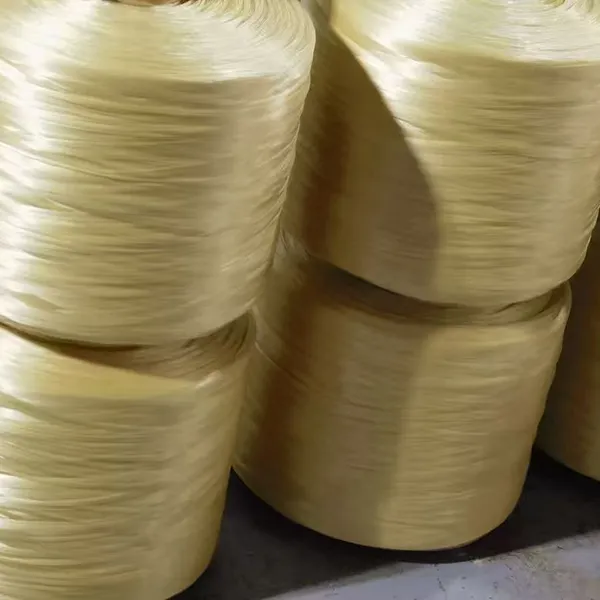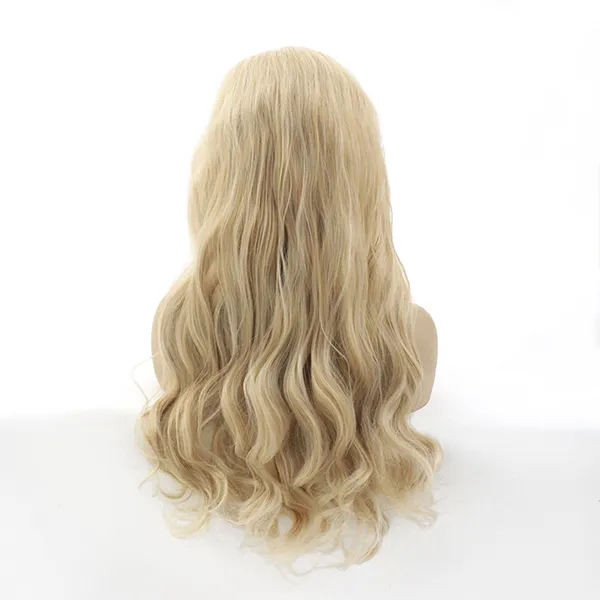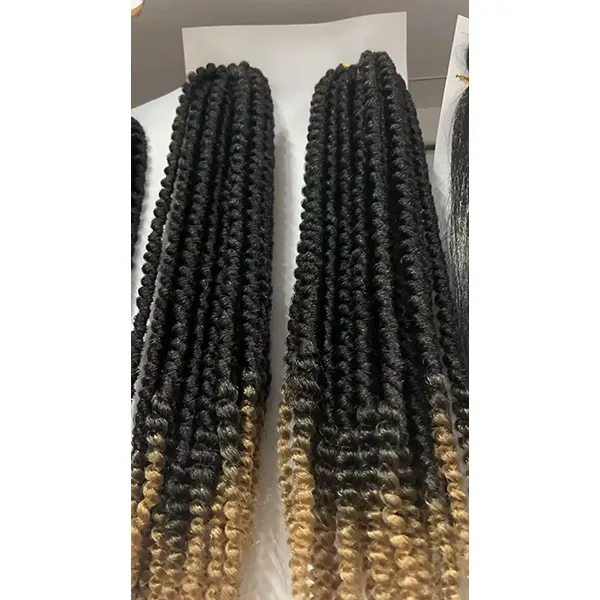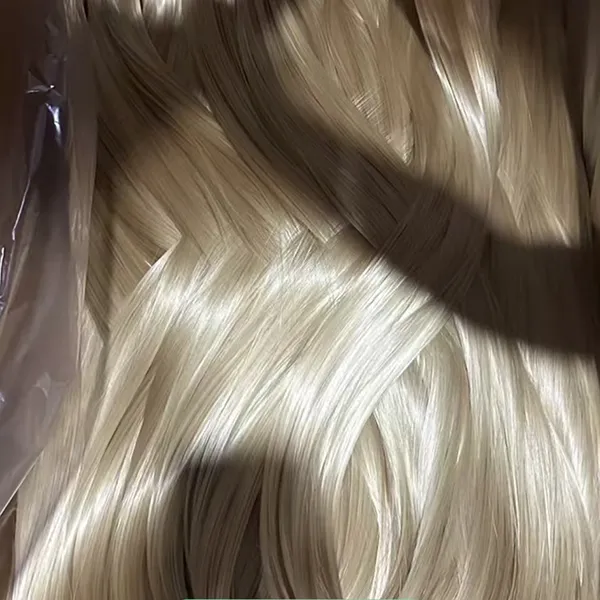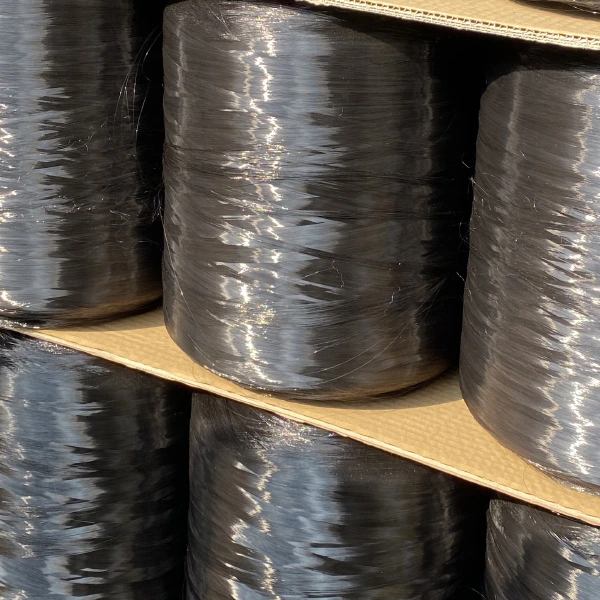
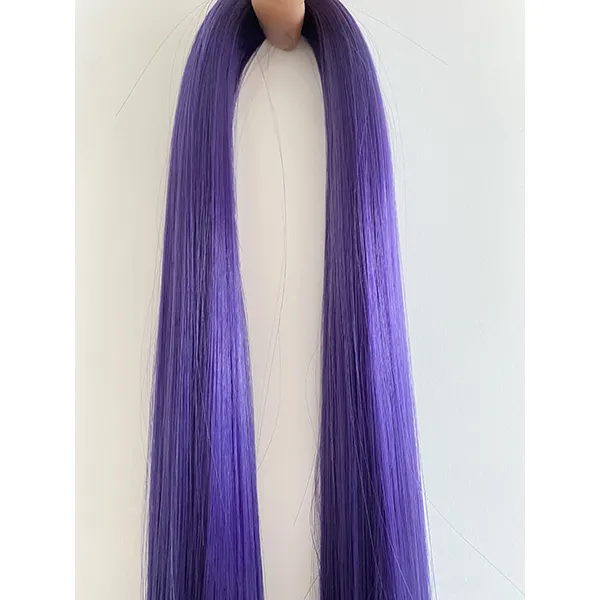
Synthetic hair fibers and human hair differ first in composition. Synthetic hair is made from manufactured polymers, while human hair is a natural keratin fiber with a layered structure that includes a cuticle and cortex. These material differences influence appearance, heat response, styling, maintenance, consistency, and sourcing. Neither material is automatically best for every wig, extension, or hairpiece; the right choice depends on the product’s intended use and the specifications that matter to the buyer.
Material Composition and Structure
Synthetic hair fibers are manufactured from polymers such as modacrylic, PVC, polyester, or other engineered materials. Their final properties depend on the polymer formulation and how the fiber is spun, drawn, textured, heat treated, and finished. Synthetic fibers do not have the same biological structure as human hair; a smooth or hair-like appearance does not mean that they contain keratin or a natural cuticle.
Human hair is mainly made of keratin proteins and has a more complex structure. The shaft includes an outer cuticle made of overlapping cells and an inner cortex that makes up much of the fiber. Some hair also has a medulla near the center. This structure, along with the hair’s processing history and condition, affects how a particular batch looks and behaves.
For buyers, “synthetic” and “human” are broad material categories, not complete specifications. Synthetic products should identify the fiber type where available. Human-hair products need clear information about processing, cuticle condition, color, texture, and whether the hair is blended or chemically treated.
Appearance and Fiber Consistency
Synthetic fibers are manufactured to defined dimensions and can be produced in repeatable colors and textures. This can make it easier to maintain a consistent appearance across a production run when the material and process are controlled. Fiber shine, diameter, softness, and movement still vary by product. A high-gloss synthetic fiber may look less natural in some styles, while a different cross-section or finish may produce a more subdued appearance.
Human hair has natural variation in diameter, color, texture, and condition. It may need sorting and processing to make a product more uniform. Cuticle condition and alignment, chemical treatments, and the consistency of the raw hair can all affect the finished result. Hair that is labeled by a particular grade or origin is not automatically standardized; one supplier’s label may not be directly comparable to another’s.
The practical difference is not that one material always looks realistic and the other does not. Appearance depends on fiber quality, product construction, color matching, density, and finishing. Buyers should evaluate representative samples under the conditions in which the product will be displayed or worn.
Heat, Styling, and Shape Retention
Human hair can generally be restyled with heat, but its response depends on its condition and any chemical processing. Heat, bleaching, coloring, and repeated styling can damage the hair. “Human hair” therefore does not mean unlimited heat tolerance or freedom from care requirements.
Traditional synthetic fibers typically have more limited heat-styling options. Some synthetic fibers are specifically designed to tolerate controlled heat, but their safe temperature limits vary by fiber and manufacturer. Heat-friendly does not mean heat-proof; excessive heat can permanently damage the fiber. Buyers should request instructions for the finished product instead of inferring a temperature limit from terms such as “synthetic,” “premium,” or “heat resistant.”
Synthetic fibers can retain a manufactured curl or style after washing more consistently than human hair, depending on the product. Human hair tends to behave more like natural hair and may need restyling to achieve the intended look. That flexibility can be useful, but it also means the style may be more affected by humidity and routine maintenance.
For blended hair, the synthetic component can set the practical limit for heat use. A blend should not be treated like an all-human-hair product unless the manufacturer specifically confirms that the whole construction is suitable for the proposed styling method.
Care, Wear, and Product Life
Synthetic hair can be convenient when a product needs to maintain a defined style with limited restyling. Care instructions still matter: friction, tangling, washing methods, and heat exposure can affect appearance and service life. Heat-friendly fibers may require more attention in areas that repeatedly rub against clothing.
Human hair can be washed and styled using methods suited to its condition, but it can also become dry, tangled, or damaged. Products that have undergone coloring or other chemical processing may need different care from less processed hair. Since hair quality varies, avoid promising a fixed lifespan based only on the material category.
Product life depends on more than whether the hair is synthetic or human. Wear frequency, construction, maintenance, friction, storage, and the condition of the fibers all affect how long a wig or extension remains presentable. For B2B evaluation, compare products under a defined use and care routine rather than relying on an unsupported lifespan claim.
Cost and Supply Considerations
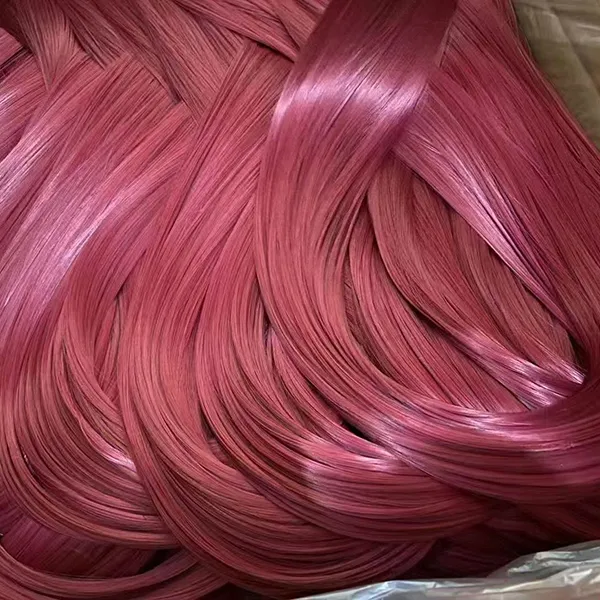
Synthetic fibers are manufactured materials, so their color, length, and texture can be planned around production specifications. This can support repeatability and a broad range of styles. The cost depends on the polymer, fiber quality, construction, finishing, and order requirements; “synthetic” alone does not define a price or quality level.
Human hair depends on collected raw material and additional sorting or processing to meet the finished product specification. Variation in texture, color, length, and processing condition can affect availability and consistency. It may also require more detailed incoming inspection and sample approval.
For a business buyer, compare the full product specification rather than material labels alone. Relevant factors include target retail positioning, appearance, styling expectations, maintenance instructions, consistency between lots, color matching, and supply requirements. Ask suppliers to explain which characteristics are controlled and how they verify the finished product against an approved sample.
Choosing and Specifying Hair Materials
Choose synthetic fibers when the product brief prioritizes repeatable color or texture, style retention, and a defined care routine. Choose human hair when the brief requires natural hair characteristics and greater flexibility for restyling, while accounting for raw-material variation and processing history. Blends may be appropriate when the product is designed to combine selected characteristics, but the exact composition should be stated.
When requesting samples or preparing a product specification, include:
- Fiber type or human-hair composition, including any blend ratio
- Color reference, texture, length, and acceptable variation
- Intended product construction, such as wig, extension, or braid
- Expected heat-styling method and the manufacturer’s limit, if applicable
- Care instructions and any restrictions on coloring or chemical treatment
- Sample approval and the method for checking production consistency
These details make supplier comparisons more meaningful. They also reduce the risk of approving a sample that does not represent the material, finish, or construction of the production order.
FAQs
Can synthetic hair be dyed like human hair?
Do not assume so. Synthetic fibers use different polymer materials and may not respond to hair dyes designed for natural hair. Confirm whether the specific fiber supports any color-change process before testing or making a product claim.
Does human hair always look more natural than synthetic hair?
No. Appearance depends on material quality, processing, color, texture, density, and construction. Some synthetic products can look convincing, while poorly processed human hair may have visible inconsistency or damage.
Are synthetic and human hair blends suitable for heat styling?
It depends on the blend and the manufacturer’s instructions. The synthetic component may be more heat sensitive, so the finished product’s confirmed limit should guide use.
Which material is more consistent for repeat orders?
Synthetic fiber can be produced to controlled specifications, but consistency still depends on manufacturing controls and inspection. Human hair naturally varies and may require sorting and processing. Evaluate samples and lot-control procedures for either material.
Conclusion
The main material difference is structural: synthetic hair fibers are engineered polymers, while human hair is a keratin-based natural fiber with a cuticle and cortex. This difference affects styling, care, consistency, and sourcing, but it does not determine product quality by itself. For reliable purchasing decisions, compare the actual fiber or hair composition, product construction, sample appearance, use instructions, and supplier quality controls.